


About AiRisk
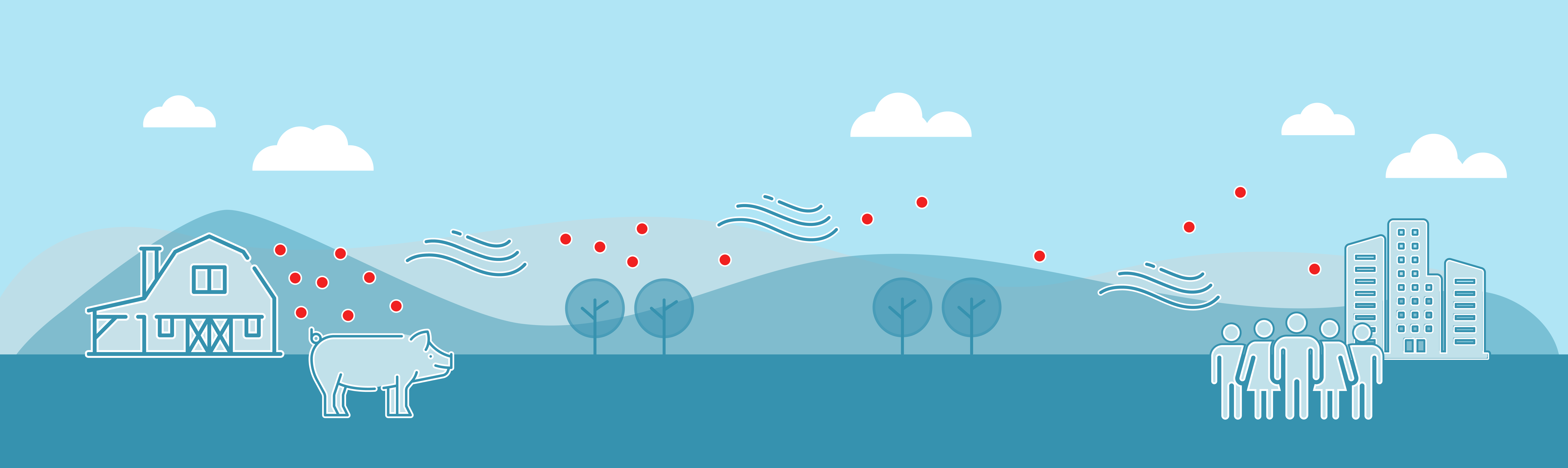
Livestock farming is a major source of antibiotic-resistant bacteria (AMR bacteria), which can be spread through the air, facilitating their transmission. However, it is not yet fully understood how these bacteria, as well as zoonotic pathogens such as Francisella tularensis, are transmitted to humans, animals and plants. Current models do not adequately account for rising infection and resistance rates. This knowledge gap hinders effective prevention, surveillance and response to such threats.
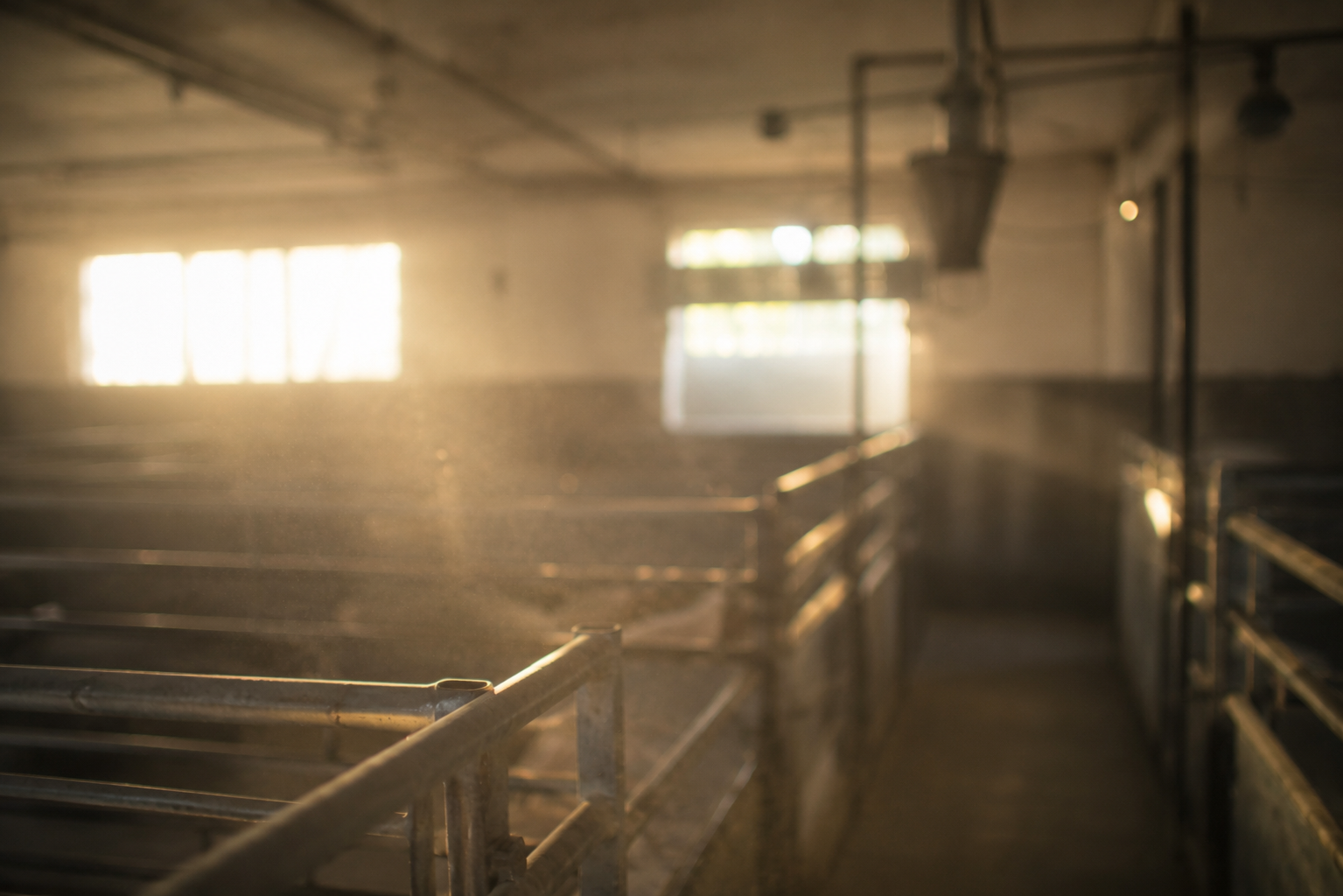
The AiRisk project aims to close this gap by investigating a new transmission route: dust. Dust could represent an important link between the various domains of human, animal and environmental health (One Health) and mediate the spread of antibiotic-resistant bacteria and zoonotic pathogens from agriculture into the environment, to wildlife and to humans. Dust particles from livestock farming represent a complex biological mixture containing microorganisms and their resistance genes (‘the resistome’). In recent years, it has become apparent that this dust is not merely a waste product of livestock farming, but a significant reservoir for antimicrobial resistance and potential pathogens. The spread of these dust particles, as well as the survival capacity of the microbes associated with them, are therefore of epidemiological relevance and have a direct impact on public health. The transmission of pathogens via aerosols has been a focus of scientific attention since at least the Covid-19 pandemic.The project’s hypothesis is that dust plays a key role in the spread of resistant bacteria and zoonotic pathogens from agriculture. AiRisk will provide the relevant authorities in the fields of health, veterinary medicine and the environment with important tools to respond effectively to the growing threat posed by resistant bacteria and zoonotic pathogens.
Participating Institutes